
Quick Read
- Repeat offender Abdimahat Bille Mohamed is in custody again for new charges in Minneapolis, sparking public safety concerns.
- Despite prior sexual assault convictions, Mohamed now faces fresh kidnapping and rape charges, raising questions about judicial oversight.
- Community leaders are demanding answers amidst escalating concerns about repeat violent offenders on city streets.
- The arrest prompts calls for critical reforms to protect Minneapolis residents from serial perpetrators.
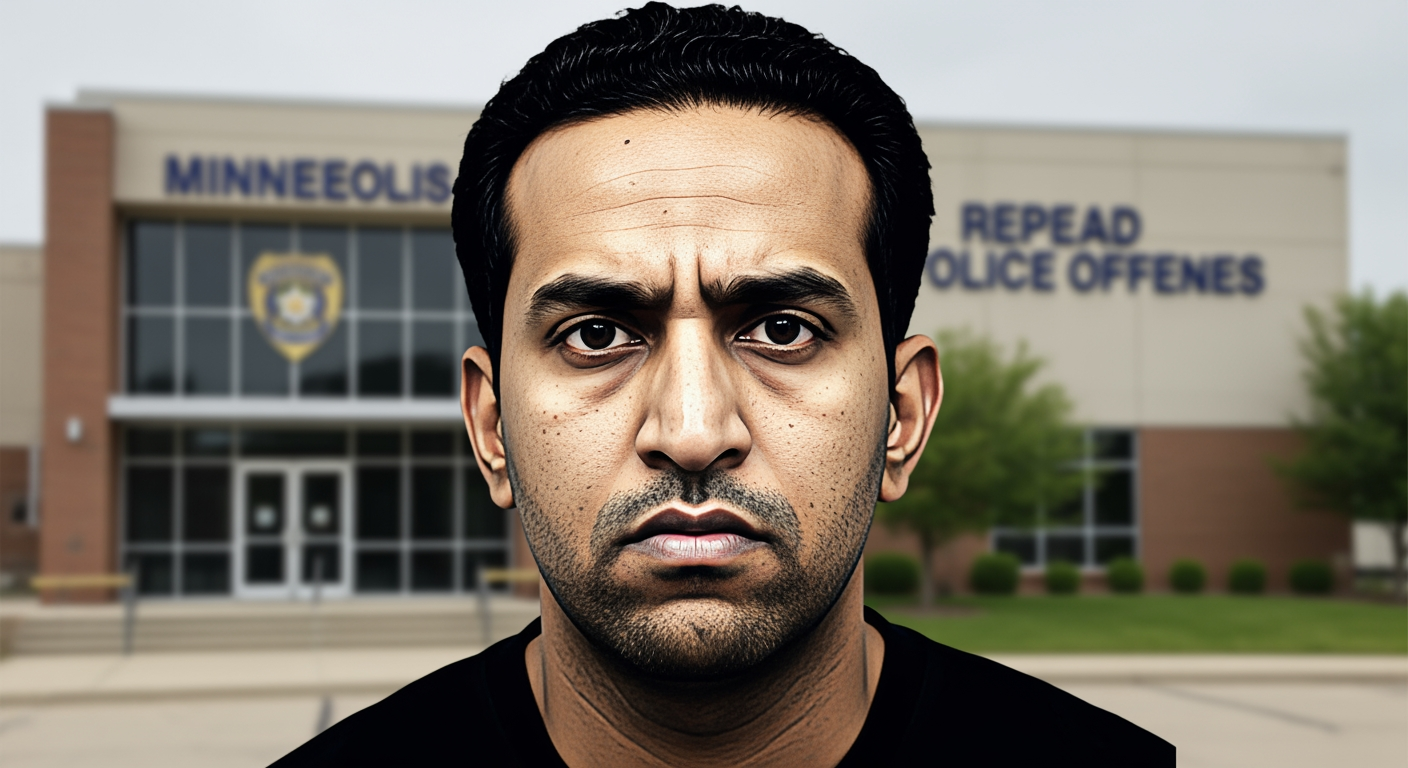
Minneapolis is once again grappling with profound public safety concerns following the re-arrest of Abdimahat Bille Mohamed, a man with a documented history of sexual violence. Mohamed was taken into custody on October 22, 2025, facing new charges of kidnapping and rape. His apprehension sends shockwaves through a community already wary of repeat offenders and marks a disturbing recurrence, prompting urgent questions about the justice system’s effectiveness.
Mohamed’s rap sheet reveals a pattern of behavior, including multiple prior convictions for sexual assault. He has cycled in and out of the corrections system. His previous releases have been met with apprehension by advocates, who argued that insufficient measures were in place to protect the public. This latest incident, allegedly occurring in the Powderhorn Park neighborhood, underscores fears that dangerous individuals are slipping through the cracks, only to re-offend with devastating consequences.
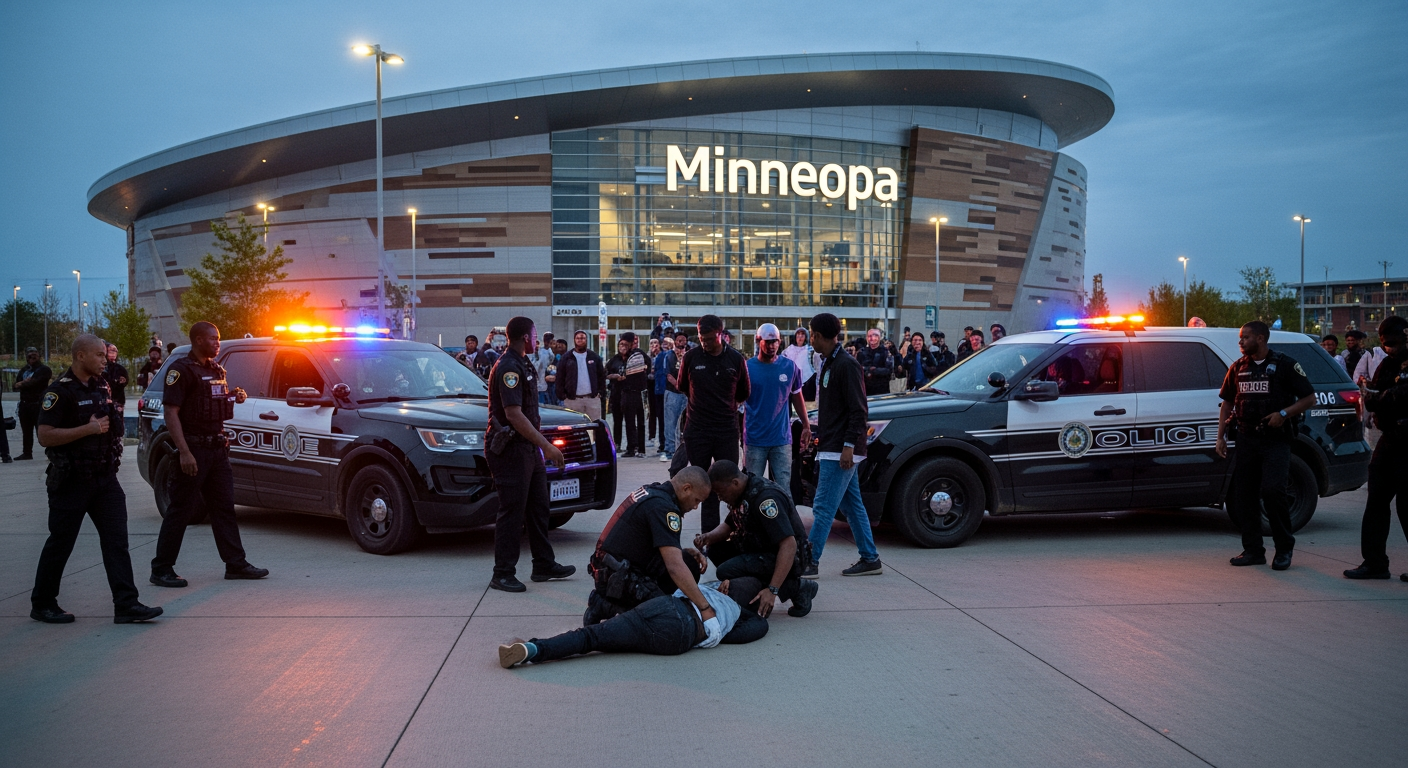
The new charges stem from an incident reported late Monday night, involving the abduction and assault of a young woman. Minneapolis Police Department officers, acting on a swift investigation, located and apprehended Mohamed without further incident in South Minneapolis. Police officials have confirmed the victim is receiving support services. The investigation remains ongoing, with more details expected to emerge as the legal process unfolds.
The news has ignited a furious debate among residents and community leaders alike. Many are expressing outrage, questioning why a known repeat violent offender was in a position to commit new crimes. Public forums and online discussions are rife with calls for stronger sentencing, stricter parole conditions, and a fundamental re-evaluation of how the justice system handles individuals deemed a high risk to society.
Lieutenant Anya Sharma of the Minneapolis Police Department addressed the community’s anxieties.
“Our officers worked tirelessly to bring Mr. Mohamed into custody swiftly once these new allegations emerged. We understand the community’s distress, and we want to assure residents that public safety remains our paramount concern. We will pursue justice relentlessly for the victim in this case.”
— Lt. Anya Sharma, Minneapolis Police Department
This re-arrest of a Minneapolis repeat rapist throws a harsh spotlight on broader systemic challenges associated with repeat offenders. Experts in criminal justice often point to the delicate balance between rehabilitation and public protection. This balance appears to be severely strained in cases like Mohamed’s. The persistent failure to interrupt cycles of violence from a few individuals has a disproportionate impact on community trust and safety, highlighting a potential justice system failure.
Sarah Chen, Director of Advocates for Safe Communities, voiced the frustration felt by many.
“How many times must this happen before we acknowledge a critical flaw in our system? Each re-arrest of a repeat rapist is not just a police statistic; it’s a profound trauma for new victims and a betrayal of trust for the entire community. We need systemic change, not just reactive arrests.”
— Sarah Chen, Director of Advocates for Safe Communities
As Abdimahat Bille Mohamed awaits his arraignment, scheduled for next week, the incident serves as a stark reminder of the continuous struggle to ensure robust public safety. The city now faces the weighty task of addressing not only these immediate kidnapping charges but also the deep-seated concerns about the justice system’s ability to protect its most vulnerable. The path forward will undoubtedly involve intense scrutiny and difficult conversations about how to prevent such alarming recurrences. Information regarding Minnesota’s repeat offender laws is publicly accessible, as are resources for victim support services and updates on local crime.