

Quick Read
- Young Thug, still navigating his high-profile YSL RICO case, unexpectedly surfaced ringside at a recent Jake Paul boxing spectacle, instantly sparking a firestorm of online debate.
- Controversial rapper 6ix9ine quickly pounced, challenging Thug’s street credibility and reigniting the contentious discussion about authenticity in hip-hop.
- This high-visibility appearance forces a critical question: how do rap artists balance mainstream fame and severe legal battles with maintaining their crucial street image?
- Uncover why this single ringside moment is pushing rap culture to redefine what realness truly means for its most scrutinized stars.
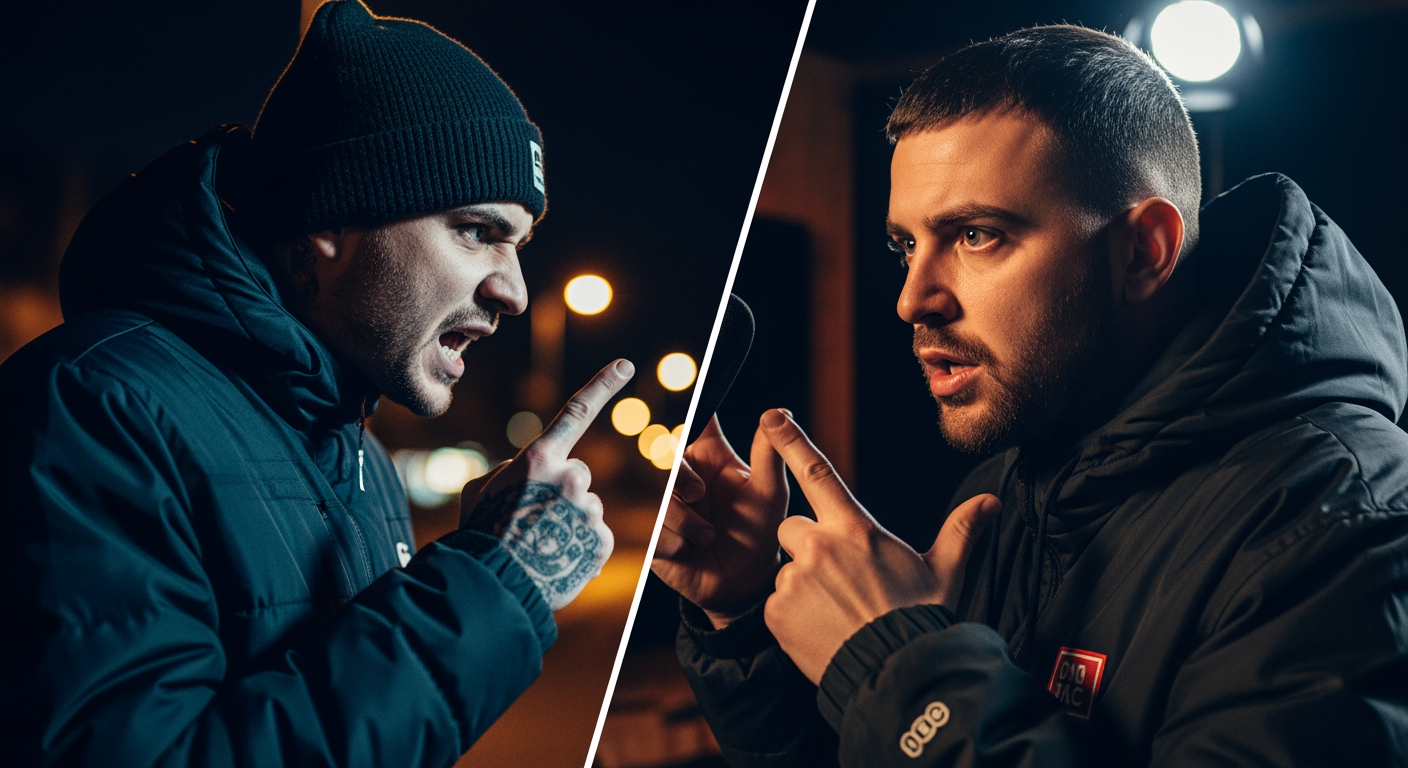
A recent image of Young Thug ringside at a Jake Paul boxing event quickly became a social media flashpoint. The sight of the Atlanta rap titan, currently navigating significant legal challenges, sharply contrasted with his often street-rooted image. This immediately ignited intense debate among fans and industry insiders about authenticity and reputation.
Hip-hop culture has long grappled with the tension between maintaining “street credibility” and embracing mainstream success or navigating legal entanglements. Artists historically face intense scrutiny when their public persona appears to shift. Past instances show rappers receiving heavy criticism for perceived changes in their image. For Young Thug, born Jeffery Williams, his situation in the high-stakes YSL RICO case amplifies this cultural tightrope walk significantly.
The specific scene showed Young Thug among celebrity attendees at a recent Jake Paul fight. This type of event is often noted more for its spectacle than any underground gravitas. Images of his presence quickly spread across platforms, including X (formerly Twitter), becoming an immediate focal point. Observers questioned the optics of his appearance at such a mainstream gathering while his legal future remains uncertain. A widely circulated post seen here illustrates some of the immediate reactions.
Rapper 6ix9ine, known for his own controversial legal history and cooperation with authorities, quickly entered the discussion. He publicly challenged Young Thug’s street cred by implying a disconnect between Thug’s ongoing legal issues and his ringside appearance. While polarizing, 6ix9ine’s voice carries a particular weight in these authenticity debates, stemming from his direct experience with legal cooperation and the resulting industry backlash.
“How can you claim the streets while you’re at a Jake Paul fight after a RICO update? That’s not how it works,”
— A prominent hip-hop commentator, discussing 6ix9ine’s reaction
This incident sharply highlights hip-hop’s perennial authenticity dilemma. What does street credibility truly mean in an era where artists often transition from challenging environments to global superstardom? For many, it signifies unwavering loyalty, a commitment to one’s origins, and, crucially, an unyielding stance against cooperating with legal authorities. Public discourse often demands artists remain true to a perceived gritty reality, even as their lives drastically change.
Young Thug’s journey exemplifies this complex narrative. He rose from the streets of Atlanta, forging a singular artistic path. He became a highly influential figure, known for his genre-bending sound and unique lyrical style. His career, marked by hit albums and a revolutionary impact on modern rap, took a drastic turn with the YSL RICO case indictment in May 2022. This ongoing legal battle charges him and multiple others with gang-related racketeering and conspiracy. It has kept his public life under an intense microscope, fundamentally altering his career trajectory.
Fan reactions to Thug’s appearance were diverse and often impassioned. Many expressed disappointment, viewing his presence as a misstep given the gravity of his legal situation. Others defended him, arguing for his right to live his life and suggesting the criticism was unfair or hypocritical. Industry figures offered more nuanced perspectives. They acknowledged the immense pressure artists face to maintain a consistent image while battling real-world problems. This incident underscores the unique pressures on artists who rise from challenging circumstances.
Ultimately, this ringside sighting and the subsequent debate highlight the evolving definitions of hip hop authenticity in rap, especially for artists embroiled in legal scrutiny. The incident prompts reflection on whether a public appearance can truly erode years of carefully cultivated street bona fides. As hip-hop culture matures, its understanding of realness must adapt, acknowledging the human complexities behind the larger-than-life personas. For Young Thug, the stakes remain profoundly high, both in the courtroom and in the court of public opinion.