

Quick Read
- An attempted robbery on V Street NW left a D.C. resident shaken but resilient, underscoring the immediate threat of urban crime.
- No possessions were stolen, but the victim endured a violent assault by three unknown males, highlighting escalating brutality in street encounters.
- Washington D.C. faces a 15% surge in violent crime during Q3 2025, raising urgent questions about police presence and community safety strategies.
- How are D.C. residents enhancing personal safety and seeking to reclaim their streets amid these challenges?
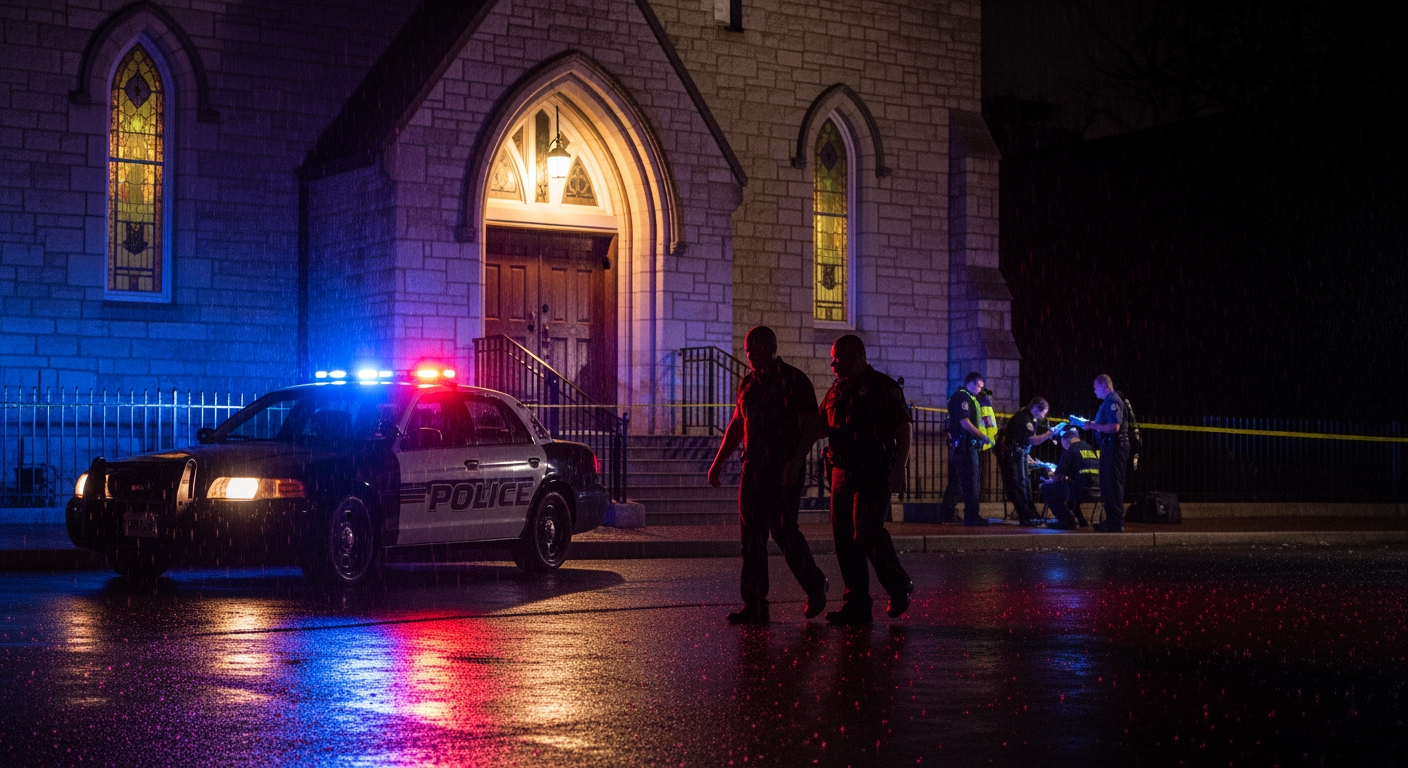
An attempted robbery and assault on V Street NW has left a Washington D.C. resident deeply disturbed, signaling the persistent threat of urban crime in the city. The incident, involving three unknown males, occurred on a quiet Tuesday evening in the 1700 block. It brings renewed attention to ongoing debates about policing strategies and community safety in the nation’s capital.
The incident unfolded shortly after 8:00 PM on October 22, 2025. Sarah Jenkins (a pseudonym) was accosted by three individuals who demanded her belongings. According to preliminary reports, she refused to comply. The situation quickly escalated to physical violence. No possessions were stolen, but the assault highlights a distressing willingness by perpetrators to use brutality, even without material gain.
Washington D.C. continues to face significant challenges with street crime. Recent data from the Metropolitan Police Department (MPD) shows a 15% increase in violent crime city-wide during the third quarter of 2025 compared to the previous year. Street robberies specifically climbed by 22%. This surge disproportionately affects Wards 1, 2, and 6, where incidents like the V Street NW assault are a growing concern for residents. For comprehensive national crime statistics, refer to the FBI Uniform Crime Reporting Program.
The emotional toll on the community is profound. Daily routines have transformed into exercises in constant vigilance. Residents across D.C. voice a growing unease, often discussing personal safety measures and calling for stronger intervention from local authorities. Many demand tangible actions to restore security to their neighborhoods.
Addressing these public safety fears requires multifaceted strategies, including an enhanced police presence in high-crime corridors. MPD officials consistently highlight their commitment to community policing. However, the sheer volume and evolving nature of urban crime present significant challenges. Current efforts focus on targeted patrols and rapid response. Balancing enforcement with community trust remains a delicate endeavor for Washington D.C. crime prevention. More localized crime data for D.C. can be found on the MPD Crime Data portal.
Brenda Holloway, an Advisory Neighborhood Commissioner for ANC1A, articulated the community’s frustration and hope:
“Our residents are not just statistics; they are neighbors living in fear. We need visible police, but also proactive engagement, not just after an incident. This V Street attack is a stark reminder that we cannot let our guard down, and we must work together for safer streets.”
— Brenda Holloway, Advisory Neighborhood Commissioner for ANC1A
Individual vigilance also plays a critical role. Citizens are increasingly exploring practical steps to enhance personal safety. These steps include remaining aware of surroundings, avoiding walking alone at night when possible, and utilizing community safety applications. Resources from the D.C. Office of Victim Services and Justice Grants offer support and guidance for those affected by crime.
Reclaiming the streets of the nation’s capital requires a unified approach. This blends vigilant law enforcement with proactive community engagement and robust support systems. The V Street NW assault serves as a powerful testament to the urgent need for sustained efforts. Ensuring Washington D.C. crime rates stabilize and the city remains safe for all its residents will require ongoing collaboration. This involves police, community leaders, and every individual committed to a safer urban environment. Explore more about effective community policing models through the National Institute of Justice.