
Quick Read
- Pusha T declares rap diss tracks “dead” for ending careers, a controversial take following intense lyrical battles like Drake vs. Kendrick Lamar.
- Historically potent career-enders, modern diss tracks often now boost streaming numbers and viral memes, redefining what constitutes a “win.”
- The evolving nature of rap conflict allows artists to offset perceived lyrical “losses” with commercial success, challenging the impact of even the most scathing bars.
- This veteran rapper, known for his own impactful disses, offers a new perspective on lyrical combat and its implications for hip-hop’s core spirit.
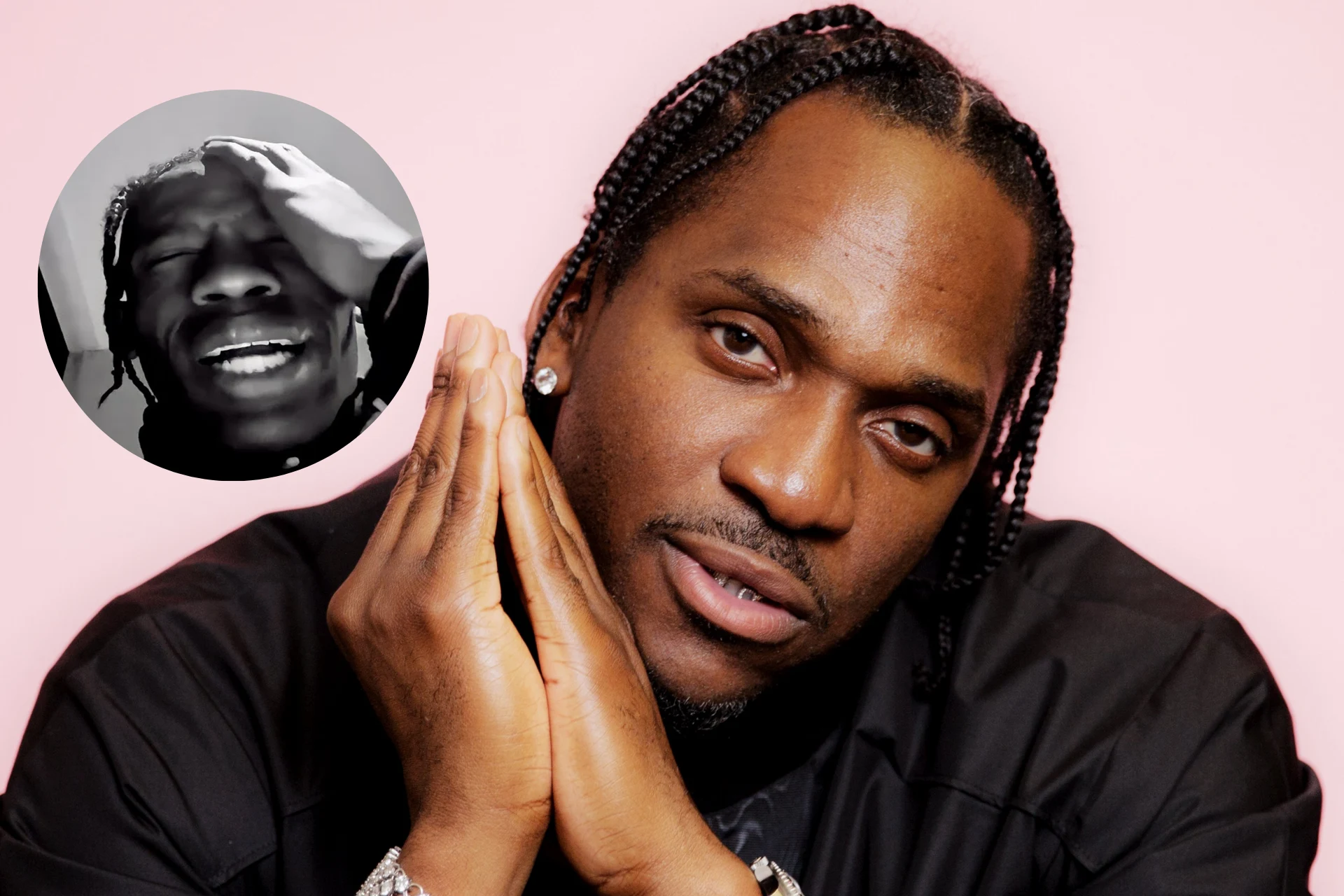
Veteran rapper Pusha T has ignited a fierce debate within the hip-hop community, boldly declaring the traditional rap diss track effectively “dead” in its capacity to end an artist’s career. This provocative stance arrives after a year where highly publicized, intensely personal rap beefs — most notably the lyrical exchanges between Drake and Kendrick Lamar earlier in 2024 — dominated headlines and streaming charts without definitively sidelining either artist. Pusha T’s assertion challenges the very foundation of hip-hop’s storied tradition of lyrical warfare, suggesting a fundamental shift in how rap conflicts are waged and won.
For decades, a well-crafted diss track could irrevocably alter an artist’s trajectory. Such tracks often cemented legends or sent careers into swift decline. Consider the seismic impact of tracks like Nas’s “Ether” against Jay-Z, a lyrical assault widely credited with shifting the momentum of their iconic rivalry. Similarly, Eazy-E’s “Real Muthaphuckkin G’s” served as a potent retort to Dr. Dre, while Canibus’s “Second Round K.O.” delivered a significant blow against LL Cool J. These tracks were powerful because they combined unparalleled lyrical skill with raw authenticity, shaping public perception decisively and often leading to an undeniable victor in the eyes of fans. You can revisit the legacy of some of hip-hop’s most impactful diss tracks on resources like Rolling Stone’s breakdowns of classic rap beefs.
However, the landscape of rap conflict has undergone a dramatic transformation. This shift coincides with the advent of streaming platforms, social media, and the relentless 24/7 news cycle. The metrics of success have broadened far beyond lyrical prowess, now heavily influenced by stream counts, viral moments, and social media engagement. This new environment often allows artists to deflect perceived “losses” by pointing to commercial performance or online buzz, even in the face of devastating lyrical attacks. The very nature of rap beef has shifted, with some critics arguing that the pursuit of “clout-chasing” and constant digital engagement has inadvertently diluted the stakes, making definitive career-ending blows exceedingly rare.
Pusha T’s analysis highlights how artists and their fervent fanbases now frequently use commercial metrics to declare victory, obscuring the traditional measure of lyrical supremacy. A track that might be considered a lyrical defeat can still rack up tens of millions of streams or become a trending meme. This allows the artist to claim a win through commercial success or cultural relevance rather than outright lyrical dominance. This phenomenon was acutely visible during the Drake vs. Kendrick Lamar exchanges, where both artists saw massive streaming boosts and generated countless social media conversations, regardless of public opinion on who “won” the lyrical battle. For more on the economics of modern music consumption, consider exploring analyses from industry trackers like Luminate (formerly Nielsen Music).
Pusha T speaks from a position of authority, having himself delivered one of the most devastating diss tracks in recent memory: 2018’s “The Story of Adidon” aimed at Drake. That track, which exposed Drake’s secret child, was widely considered a significant blow. Yet, Drake’s career continued to thrive, largely unshaken in the long term. This personal history undoubtedly informs Pusha T’s current perspective. His experience lends considerable weight to his argument that even the most cutting disses no longer possess their traditional, career-altering power. His own past offers a compelling, real-world example of the evolving impact of lyrical warfare. Details about that infamous beef can be found on hip-hop archives such as Genius.com’s breakdown of “The Story of Adidon.”
What, then, does Pusha T’s pronouncement signify for the future of rap conflict? It suggests that while lyrical sparring will undoubtedly continue to generate buzz and excitement, its capacity to permanently alter careers has diminished considerably. Will a new, more potent form of “diss track” emerge that transcends the current reliance on streaming numbers and viral memes? Or will the art of rap beef continue its current trajectory, becoming more about generating noise and less about delivering definitive, career-defining impact? The debate is far from settled, but Pusha T has certainly pushed the conversation forward.
Ultimately, Pusha T’s declaration signals a profound shift in hip-hop culture. While diss tracks remain a vibrant part of the genre’s fabric, their power to permanently derail an artist’s career has significantly lessened. The battlefield has changed. Victory now seems to be measured by a complex interplay of lyrical skill, commercial viability, and digital engagement, rather than just the devastating precision of a few perfectly aimed bars. The era of the undisputed, career-ending lyrical knockout punch may indeed be a relic of the past, replaced by a more nuanced, yet perhaps less impactful, form of rap warfare.