

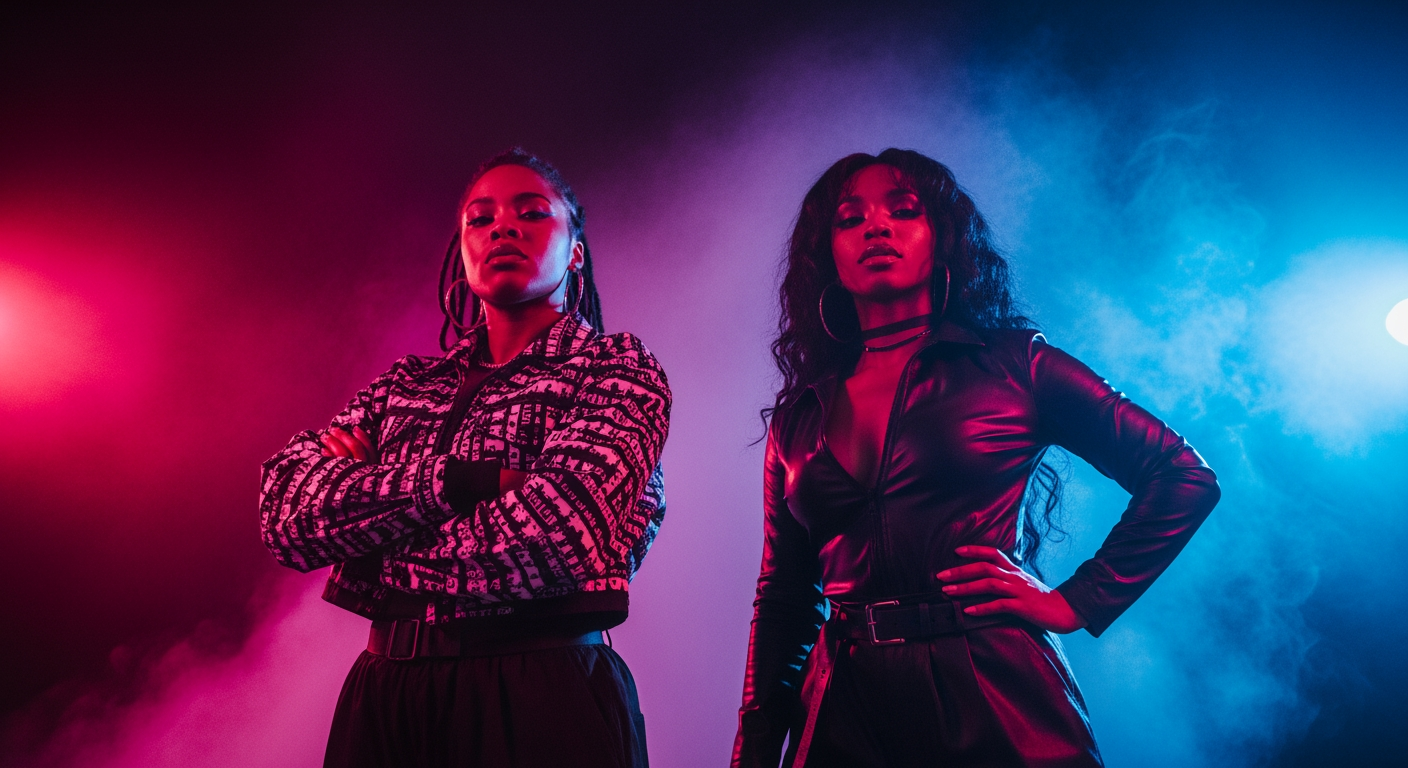
The new single ‘girl, get up’ from Doechii and SZA is more than a song; it’s a powerful declaration reshaping discussions in the hip-hop industry. This highly anticipated collaboration immediately sparked fervent conversations, positioning itself as a pivotal moment for female empowerment within a genre often scrutinized for its authenticity and persistent struggles with misogyny. The track’s timely release directly addresses ongoing debates about artistic integrity and the enduring battle against gender inequality.
The track arrives as artists like Doechii navigate fame, often confronting ‘industry plant’ allegations that question their grassroots beginnings. The song ‘girl, get up’ directly tackles deep-seated issues of gender inequality, offering a unified voice that resonates with women across and beyond the entertainment industry. Their artistry transcends entertainment, serving as a powerful call for self-respect and ambition.
The Unapologetic Anthem: Decoding ‘girl, get up’
From its opening beat, ‘girl, get up’ pulses with energy, a sonic declaration of independence and self-worth. The unflinching lyrics weave a narrative of resilience, demanding respect and rejecting attempts to undermine an artist’s journey or talent. Doechii’s fierce delivery complements SZA’s melodic prowess, creating a dynamic interplay both urgent and deeply personal. This track stands as a guide for reclaiming personal power.
The messaging within ‘girl, get up’ resonates strongly with women who are tired of being underestimated or confined to secondary roles. The song actively challenges the notion that female artists must conform to prescribed images or narratives for success. Instead, it champions individuality and unfiltered expression as sources of strength, making the track an instant anthem for self-liberation.
Music critic Jamila Woods of Vibe Culture Magazine highlights the track’s profound impact, noting its strategic timing and raw honesty. She says, “‘girl, get up’ is more than just a banger; it’s a necessary cultural intervention. It forces conversations about who gets to define success and authenticity for women in hip-hop, doing so with an infectious beat and undeniable lyrical precision.”
“‘girl, get up’ is more than just a banger; it’s a necessary cultural intervention. It forces conversations about who gets to define success and authenticity for women in hip-hop, doing so with an infectious beat and undeniable lyrical precision.”
— Jamila Woods, Music Critic at Vibe Culture Magazine
Behind the Allegations: Doechii’s Journey
Doechii’s rapid ascent in the music industry, marked by sharp lyricism and genre-bending sounds, has drawn significant attention. However, her rise has been shadowed by persistent ‘industry plant’ allegations, claims suggesting her success is manufactured rather than organically earned. These accusations, often baseless, seek to delegitimize an artist’s talent, especially when prominence comes quickly.
The term ‘industry plant’ typically describes an artist whose career is seen as artificially boosted by a major label or insiders, rather than growing through independent effort. For Doechii, these claims largely stem from her association with Top Dawg Entertainment (TDE), a label known for artists like SZA and Kendrick Lamar. Critics often overlook her extensive history of independent releases and years building a grassroots following before signing with the label. Her journey demonstrates perseverance.
Doechii has consistently refuted these allegations, emphasizing her authentic connection to her fanbase and the hard work preceding her major label deal. The ‘girl, get up’ collaboration with SZA serves as a powerful, unspoken rebuttal, showcasing genuine artistic synergy that cannot be manufactured. It underscores the profound impact of organic chemistry over any perceived industry machinations. For more insights into the ‘industry plant’ phenomenon, read this analytical piece from Music Business Insights.
SZA’s Impact: A Powerhouse Collaboration
The inclusion of SZA on ‘girl, get up’ elevates the track from a strong single to a significant cultural moment. As a GRAMMY-winning artist with a critically acclaimed discography and a fiercely loyal global fanbase, SZA’s co-sign carries immense weight and artistic credibility. Her presence not only amplifies the song’s reach but also validates Doechii’s artistry on a grand scale, addressing many persistent whispers.
SZA’s verse on the track is characteristically raw and reflective, contributing to the song’s theme of self-worth and resilience in the face of judgment. Her ability to weave vulnerability with strength adds a nuanced layer to the anthem, making it relatable and impactful. This collaboration demonstrates a powerful show of solidarity among female artists, a gesture that reverberates across the industry and beyond.
This joint effort is more than a simple feature; it’s a deliberate merging of two formidable talents, each bringing a unique perspective to a shared message. The seamless blend of their styles showcases a collaborative spirit that is refreshing and important in an industry often characterized by competition. You can explore SZA’s official music and career milestones on her official website.
Misogyny in Hip-Hop: An Ongoing Battle
Despite strides made by female artists, misogyny remains a deeply entrenched issue within hip-hop, manifesting in various forms from lyrical content to unequal industry treatment. Women in hip-hop frequently face intense scrutiny over their appearance, relationships, and authenticity — often more so than their male counterparts. This double standard creates a challenging environment where talent alone is often insufficient to secure respect.
Historically, female rappers have battled to carve out space and gain recognition in a male-dominated landscape, often pitted against one another by media and fans. This culture of comparison and critique often detracts from their individual artistic merit and collective power. The song ‘girl, get up’ directly confronts these systemic biases, signaling a refusal to be silenced or diminished by outdated perspectives.
Industry analyst Dr. Aliyah Greene, specializing in gender studies in music, comments on the track’s broader significance. She says, “This collaboration isn’t just about two artists; it’s a microcosm of a larger movement. When artists like Doechii and SZA align, they send an unequivocal message that the era of tolerating misogynistic narratives without challenge is definitively over. It’s a powerful cultural shift taking place right before our eyes.”
“This collaboration isn’t just about two artists; it’s a microcosm of a larger movement. When artists like Doechii and SZA align, they send an unequivocal message that the era of tolerating misogynistic narratives without challenge is definitively over. It’s a powerful cultural shift taking place right before our eyes.”
— Dr. Aliyah Greene, Industry Analyst, Gender Studies in Music
The fight for equitable representation and respect continues, with organizations and artists working to dismantle harmful stereotypes and create a more inclusive industry. Tracks like ‘girl, get up’ serve as vital tools in this ongoing struggle, providing both inspiration and a blueprint for resistance. For further reading on gender inequality in the music industry, consult this detailed report by The Women’s Media Center.
A New Era: Empowering Female Voices
‘girl, get up’ is more than a hit single; it represents a declaration of a new era for female artists in hip-hop. By uniting their formidable talents, Doechii and SZA deliver an electrifying musical experience while also setting a precedent for solidarity and unapologetic self-expression. Their collaboration acts as a beacon, guiding other women in the industry to embrace their power and stand firm against adversity.
This track demonstrates that true influence stems from authentic artistry and a willingness to speak truth to power, regardless of external pressures. It empowers artists to own their narratives, challenging the industry to evolve beyond dated perspectives and embrace a future where talent and merit prevail. The song’s widespread acclaim, as seen in Rolling Stone’s glowing review, confirms its resonance.
As ‘girl, get up’ continues to dominate airwaves and streaming charts, its legacy will undoubtedly extend far beyond its immediate commercial success. It will be remembered as a defiant stand, a moment when two powerful women in music chose to amplify each other’s voices and, in doing so, amplified the collective voice of countless others striving for recognition and respect. This is more than music; it’s a movement in motion.


