Fat Music is exploding across TikTok and Instagram as creators use artificial intelligence to morph pop stars into heavier versions of themselves and rewrite hit songs with food only lyrics, pulling more than 10 million views in the last 24 hours. The trend turns familiar choruses into odes to snacks and fast food while AI stretched visuals do the punchline. It is absurd, it is sticky, and the algorithm loves it.
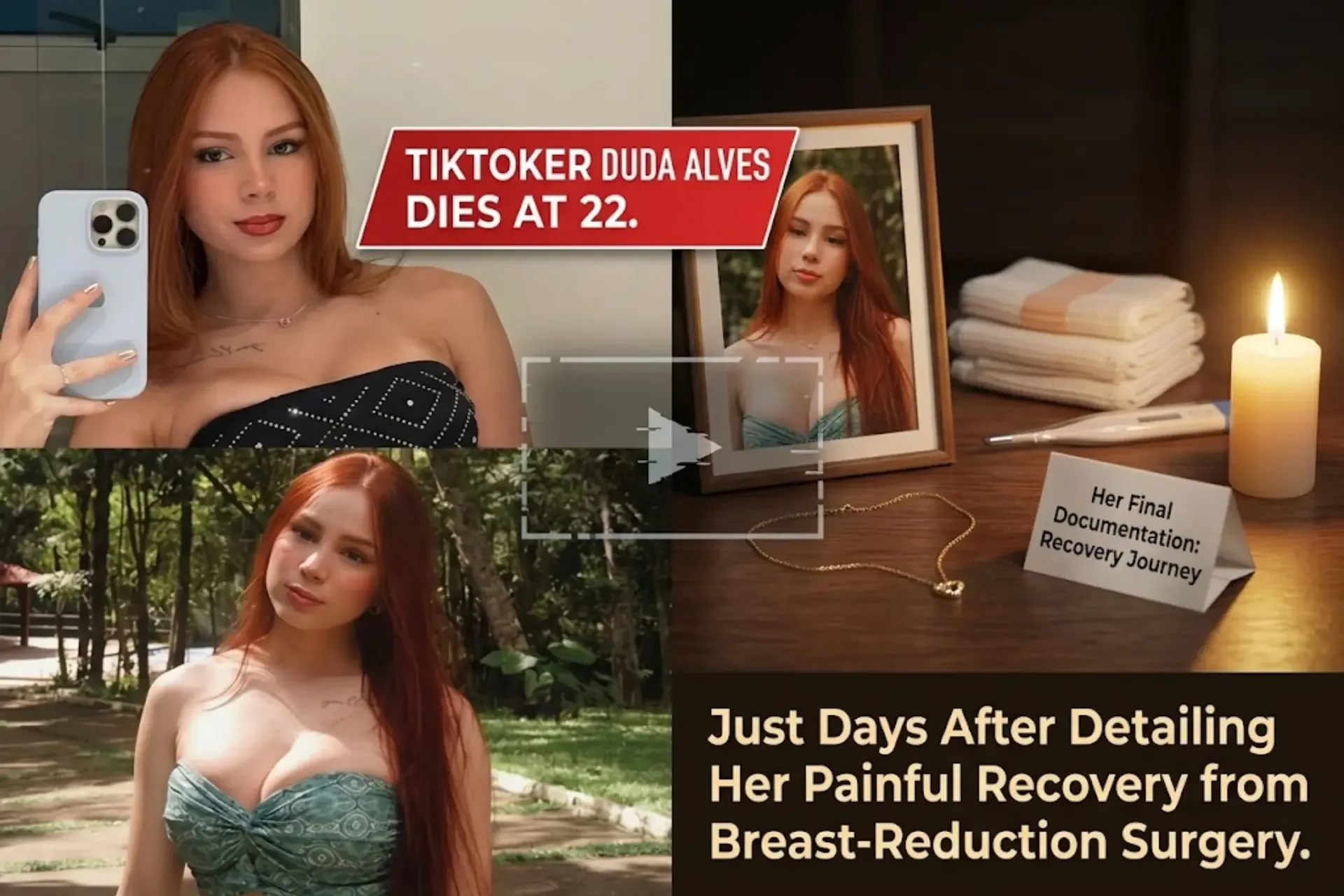
According to a post that helped push the trend mainstream, creator tools are being used to make artists look fat and then flip their biggest hooks into eating anthems. The account stackppr on X wrote on September 11, 2026 that the format had passed 10 million views in a single day and linked to three TikTok examples as proof. The post includes a photo collage of morphed artists and it spread quickly beyond the original niche.
The examples make the joke obvious. A slim pop vocalist becomes round cheeked and double chinned, then the audio swaps love lyrics for lines about burgers, fries and milkshakes. One clip reworks a chart chorus into a grocery list, another turns a breakup ballad into a late night drive thru confession. The humor lands because the viewer already knows the melody. The food rewrite does the rest, according to comments on TikTok where the sound keeps reappearing.
TikTok’s short form loop is built for this kind of mutation. A 15 second hook can be lip synced, duetted and stitched without clearing a full track. Creators on the app at vm.tiktok.com/ZN8jJuJ2P and two other linked videos showed the same template with different artists, proving how easily the format copies. The morphed image is the thumbnail, the food lyric is the payoff, and the comment section does the rest of the debate.
What is technically happening is straightforward. Generative image models stretch faces and bodies while keeping recognizable hair and outfits, and audio models keep the cadence of a known song while swapping nouns. The result reads as parody rather than a new composition, which helps it dodge the kind of copyright flag that a full cover would trip. Coverage of generative media at WIRED on artificial intelligence has tracked similar face morph and voice swap tricks as they move from novelty to daily tools.
The trend did not appear from nowhere. TikTok has cycled through AI filters that age, beautify and cartoonify users for two years, and the jump to fattening celebrities was a short step. Food parody is also a proven lane, from the viral jam landing strip that redefined food art to endless mukbang edits. Fat Music merges both lanes into one clip that is instantly readable even without sound.
Viewers are split between laughing and side eyeing the premise. Some call the edits harmless absurdity, the kind of low stakes remix that makes a For You Page feel human. Others note the images lean on weight as a punchline and risk punching down while artists have no say in how their likeness is stretched. That tension mirrors earlier debates around the GirlSet dance trend that exploded on TikTok and other look based memes where participation and critique ride together.
Engagement numbers explain why the format keeps cloning. Ten million views in a day for a single X thread is a strong signal, and the three TikTok links inside that thread each show six figure plays with high save rates. Saves matter more than likes for this kind of audio meme because users want the sound for their own version. The De Influencing TikTok trend that reshaped consumerism grew on the same save driven loop, and Fat Music follows the pattern beat for beat.
Artists themselves have not formally responded, and there is no sign of takedown notices as of September 12. Labels typically tolerate short parody when the original recording is not directly sampled. The AI visuals are transformative enough to live in a gray area, and the rewritten lyrics avoid reusing the original hook verbatim. Whether a star embraces the joke or asks for removal will likely set the next boundary for how far the joke can go.
There are also platform questions. TikTok’s synthetic media labels are unevenly applied, and the app’s system for flagging AI altered likenesses has lagged behind the volume of uploads. Instagram Reels shows the same Fat Music clips via crossposts, which suggests the format is not limited to one app. For now the work stays up and the feed keeps feeding it to new viewers who have not seen the template before.
The creators driving the early wave frame the trend as play, not critique. They pick artists with instantly recognizable silhouettes, keep the food references broad, and let the AI do the heavy lifting on the visual gag. That lightness is what makes it shareable to friends who do not follow music news. A friend can recognize the singer, hear the food line, and send it on without needing context.
Fat Music will likely burn fast and be replaced by the next AI face trick within weeks, which is the usual life cycle for TikTok audio memes. For this week it owns the sound chart, the duets and the reaction stitches. BuzzWire will track whether any of the morphed artists address the trend or whether brands try to cash in with their own food lyric remixes. Until then the feed stays hungry.